

Streetwear continues to define how Generation Z expresses identity, comfort, and cultural awareness in 2026. What began as an urban subculture rooted in hip-hop, skate, and sports influences has expanded into a flexible language of everyday dressing. Oversized silhouettes, utilitarian details, retro references, and a strong emphasis on personalization remain central, yet the approach has grown more intentional. Gen Z favors pieces that balance ease with individuality, often blending thrift finds, functional fabrics, and mixed aesthetics rather than following rigid uniforms.
Intentional Oversized Silhouettes Take Center Stage
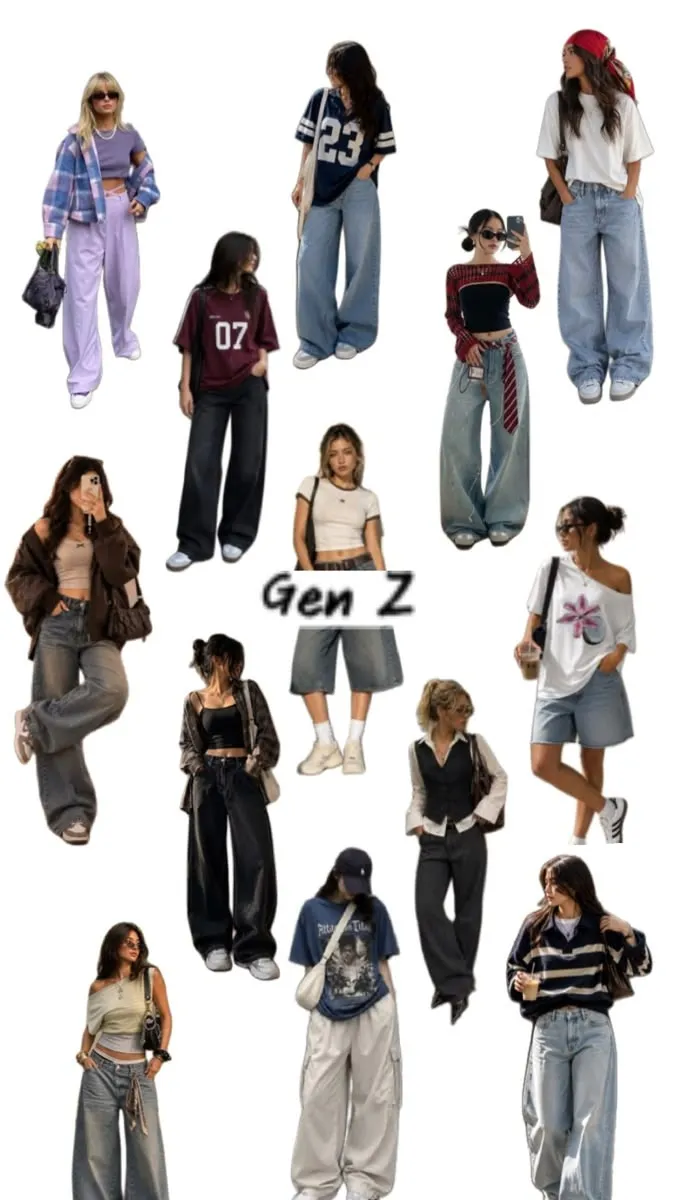
Oversized clothing remains a cornerstone of Gen Z streetwear, but the execution has matured. Rather than simply sizing up standard garments, current preferences lean toward purposely constructed oversized fits. Boxy t-shirts feature dropped shoulders, wider sleeves, and heavier fabrics that hold their shape. Hoodies and sweatshirts follow similar principles, offering volume without appearing shapeless.
This refined approach allows oversized pieces to layer effectively under or over other items. A structured oversized tee paired with relaxed trousers creates a balanced proportion that feels current rather than careless. The emphasis on construction reflects a broader desire for clothing that photographs well, wears comfortably across long days, and maintains integrity after repeated use.
Cargo Pants and Utility Details Dominate Bottoms
Cargo pants and utility-inspired trousers have solidified their place as essential streetwear bottoms. Multi-pocket designs, relaxed or baggy fits, and durable materials in earth tones such as olive, charcoal, and khaki appeal to both practicality and aesthetic. These pieces draw from workwear and outdoor influences while remaining firmly urban in styling.
Gen Z pairs cargos with fitted or cropped tops to create contrast, or layers them under oversized outerwear for cooler weather. The functional pockets and robust construction align with a generation that values versatility and longevity in clothing. Search interest and sales data indicate sustained demand for these styles throughout 2026, positioning them alongside hoodies as core category drivers.
Graphic Tees and Personal Expression
Graphic t-shirts continue to serve as primary vehicles for self-expression. Bold typography, cultural references, artistic prints, and custom or limited designs allow wearers to signal interests and affiliations. Many Gen Z consumers treat tees as canvases, favoring heavier weights and intentional oversized cuts that elevate the graphic presentation.
Customization and DIY elements further strengthen this trend. Personalized garments, altered thrift pieces, and unique combinations help individuals stand apart from mass-produced options. In an era of algorithm-driven recommendations, the ability to create or select distinctive pieces carries particular value.
Retro Revival Meets Modern Mixing
Nostalgia for the 1990s and early 2000s remains influential, yet it rarely appears in pure form. Y2K and hip-hop era references surface through baggy denim, graphic motifs, and specific silhouettes, often refined or combined with contemporary proportions. Low-rise or slim-straight jeans have reappeared in some circles alongside continued preference for wider legs, illustrating the fluid nature of Gen Z styling.
Rather than strict period dressing, the generation mixes eras and categories freely. Streetwear elements combine with relaxed tailoring, elevated basics, or sportswear details. An oversized graphic tee might sit under a structured blazer or pair with clean trousers and minimal sneakers. This hybrid approach supports personal style over adherence to a single trend cycle.
Techwear, Functionality, and Outdoor Influences
Functional design has moved from niche interest into mainstream streetwear. Technical fabrics, weather-resistant shells, modular layering pieces, and utility-focused details appear in everyday urban outfits. Often described under the broader umbrella of techwear or influenced by outdoor aesthetics, these garments prioritize performance without sacrificing visual edge.
The appeal lies in practicality for varied climates and active lifestyles. Lightweight shells, fleece layers, and articulated pants transition easily between city environments and light outdoor use. This direction aligns with Gen Z’s preference for clothing that serves multiple purposes and withstands regular wear.
Sustainability and Secondhand Culture
Sustainability shapes purchasing decisions more strongly than in previous cycles. Many Gen Z consumers actively seek secondhand, vintage, and thrifted pieces, both for uniqueness and reduced environmental impact. Resale platforms and local thrift scenes supply distinctive finds that support individual expression while addressing concerns about overconsumption.
Brands that incorporate responsible materials or transparent production practices tend to resonate more strongly. Willingness to invest in durable or thoughtfully made items coexists with interest in accessible, expressive pieces. The secondhand market’s continued expansion reflects this dual priority of style and values.
Footwear and Finishing Touches
Sneakers remain the foundation of most streetwear looks. Classic canvas styles have regained visibility for their unfussy, nostalgic quality, while chunky and retro runners continue to appear in more statement-oriented outfits. Clean white sneakers and versatile low-tops provide everyday reliability.
Accessories stay relatively restrained or purposeful. Caps, crossbody bags, and minimal jewelry often complete looks without overwhelming the clothing. Gender-fluid options and non-binary sizing further expand accessibility, matching broader preferences for clothing free from rigid gender codes.
Balancing Comfort, Identity, and Versatility
What unites these directions is a focus on comfort paired with clear personal signaling. Gen Z streetwear in 2026 prioritizes pieces that move easily through daily routines while allowing room for individuality. Intentional oversized fits, utility bottoms, expressive graphics, mixed references, functional materials, and sustainable choices form a flexible toolkit rather than a fixed uniform.
The result is a style language that adapts across contexts—from campus and creative workplaces to social settings—while remaining rooted in the relaxed attitude that has long defined streetwear. As the generation continues to influence broader fashion, these preferences encourage designers and retailers to emphasize quality construction, personalization opportunities, and responsible practices alongside visual appeal. Streetwear’s evolution in 2026 demonstrates its enduring capacity to reflect cultural priorities through clothing that feels both current and authentic.
Read more – gloryhouseworld.com