

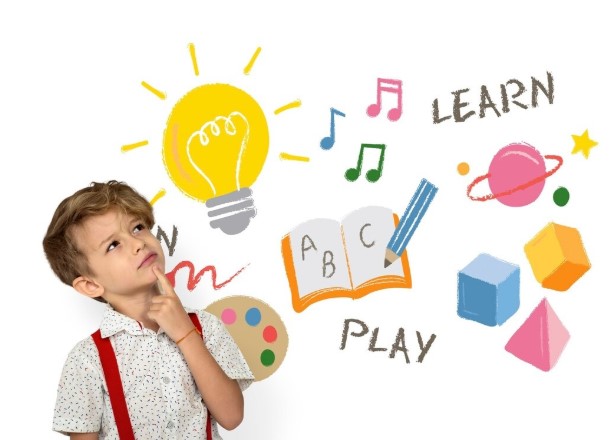
Early childhood learning determines how children grow, understand the world, and build the foundation for lifelong success. During the early years, the brain develops at an incredible pace, forming pathways that influence emotional well-being and even future career potential.
When young children receive the right learning experiences at the right time, they develop stronger cognitive abilities, better communication habits, and greater confidence.
Let’s discuss 5 reasons why early childhood learning is important and how it helps shape confident, curious, and capable young individuals. Read on!
1. Builds Strong Cognitive Development
The early years are when the brain creates millions of new neural connections every single second. These connections help children understand shapes, numbers, words, sounds, and patterns.
When children participate in structured early learning programs, they develop stronger memory, better problem-solving abilities, and improved attention spans. Their brains respond to every new challenge, shaping how they understand and process information.
Children exposed to rich early childhood learning environments develop strong critical thinking skills earlier in life. These experiences encourage children to make connections between ideas and use logic in simple everyday tasks.
2. Strengthens Social and Emotional Skills
Young children learn how to socialize long before they enter elementary school. In early learning settings, children interact with others their age, share toys, communicate feelings, and solve small disagreements.
These experiences teach them how to express themselves respectfully, understand the feelings of others, and build healthy relationships. Early environments help children learn patience, empathy, cooperation, and kindness.
When children practice these skills daily, they begin to understand how to navigate group settings and respond to different personalities.
3. Improves Language and Communication Skills
Language development begins at birth, and early experiences play a major role in shaping how children communicate later in life. When children are exposed to conversations, books, songs, and interactive learning activities, their vocabulary rapidly expands.
They begin to form sentences, understand new words, and express complex ideas more clearly. Early communication experiences influence how well children read, write, and speak as they grow.
Many studies show that children who participate in early language-rich programs perform better in literacy throughout their school years.
4. Encourages Healthy Physical Development
Early childhood is not only about the mind; it is also an important time for building strong physical development. Activities such as running, jumping, drawing, stacking blocks, and outdoor play sharpen both gross motor and fine motor skills.
These skills help children move confidently, hold writing tools properly, coordinate hand-eye movements, and build physical strength. Children who participate in structured early learning programs often enjoy more balanced physical activities that support healthy growth.
5. Prepares Children for Long-Term Academic Success
One of the main reasons early learning is important is its impact on future academic performance. Children who receive structured early education enter kindergarten with stronger reading readiness, better math understanding, and greater enthusiasm for learning.
Early learning programs introduce children to routines, classroom behavior, and basic academic concepts in a gentle, supportive way. Children learn how to sit during lessons, follow instructions, participate in discussions, and stay engaged with activities.