

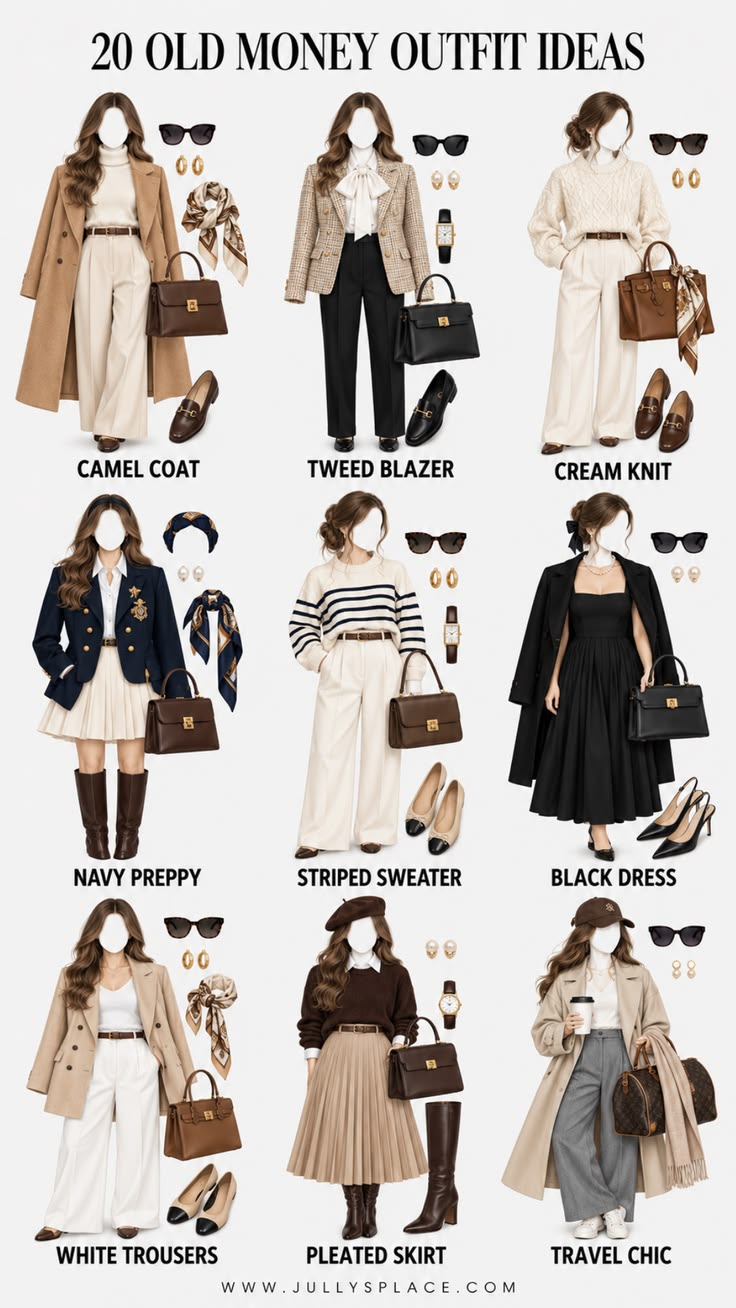
The Old Money aesthetic represents a refined approach to dressing that prioritises quality, restraint and longevity over fleeting trends. It draws on classic tailoring traditions, natural fabrics and a calm colour palette to create an impression of quiet confidence. Rather than displaying wealth through logos or novelty, the style focuses on well-chosen pieces that work together seamlessly across seasons and occasions. Building such a wardrobe is less about quantity and more about thoughtful selection, fit and care.
Understanding the Core Principles
At its foundation, the Old Money look values understatement. Clothing should appear effortless and lived-in rather than newly purchased or overly styled. Natural fibres such as wool, cashmere, linen, cotton and silk take precedence because they drape well, age gracefully and feel substantial. Synthetic materials and prominent branding are generally avoided, as they conflict with the emphasis on subtlety.
Fit remains the most critical element. Garments should skim the body without pulling or excess fabric. Shoulders on jackets need to sit correctly, trousers should have a clean line, and shirts must allow comfortable movement while maintaining structure. Alterations often prove more valuable than buying higher-priced items that do not fit well. The overall silhouette tends toward moderate proportions—neither extremely slim nor overly oversized—that change slowly over time and therefore remain relevant for years.
The Essential Colour Palette
A restricted palette makes mixing and matching straightforward. Navy, cream, camel, grey, white, soft pale blue, olive and chocolate form the reliable base. These colours coordinate easily and create a cohesive appearance even when pieces are acquired gradually. Accent colours appear sparingly, often through a striped shirt, silk scarf, burgundy knit or subtle pattern. Head-to-toe black is uncommon, and bright or neon shades rarely feature. Earth tones gain particular relevance in cooler months, reinforcing a grounded and timeless feel.
Key Wardrobe Pieces
Certain garments form the backbone of the aesthetic for both men and women. A navy blazer in wool or a similar structured fabric serves as one of the most versatile items, pairing equally well with tailored trousers, chinos or darker denim. A camel coat, whether single- or double-breasted and cut to a flattering length, provides an elegant outer layer that elevates simpler outfits underneath.
Fine knitwear in cashmere, merino or lambswool—crew necks, polos or turtlenecks in neutral shades—adds texture and warmth without bulk. Crisp white or light-blue shirts in cotton poplin or Oxford cloth offer everyday polish, while silk blouses introduce a softer refinement. Tailored trousers in wool, flannel or linen, along with midi-length skirts where preferred, establish clean lower-half silhouettes. Classic leather loafers, ballet flats or simple Oxford shoes complete most looks, prioritising quality leather that can be resoled and maintained.
Accessories stay minimal and functional. A structured leather bag, a simple leather belt, a discreet watch and perhaps a silk scarf suffice. Jewellery, when worn, remains understated rather than statement-making.
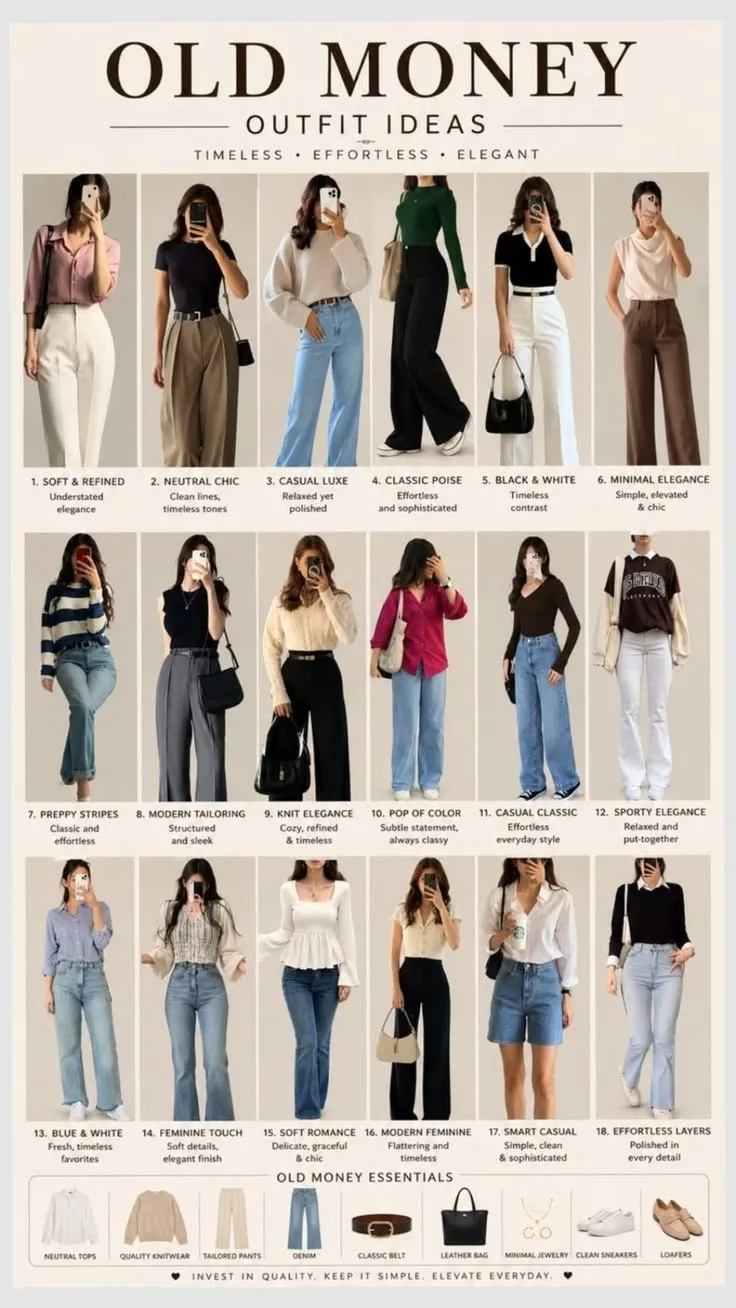
Building the Wardrobe Gradually
Creating an Old Money wardrobe works best as an incremental process. Begin with a small number of foundational pieces that can be worn frequently: a well-fitting blazer or coat, two quality shirts, a fine knit, tailored trousers and reliable leather shoes. Wear these regularly, care for them properly, and observe how they perform before adding further items. This approach prevents impulse purchases and ensures each new piece integrates with what already exists.
Quality of fabric and construction matters more than brand names. Look for natural fibres, solid stitching and materials that improve with wear. Second-hand and vintage sources often yield excellent examples of classic tailoring at more accessible prices, provided the condition and fit are carefully assessed. Proper care—hanging jackets on shaped hangers, folding knits, polishing shoes and addressing minor repairs promptly—extends the life of every garment and reinforces the philosophy of longevity.
Styling for Everyday Elegance
Outfit formulas remain simple. A cashmere sweater layered over a collared shirt with tailored trousers and loafers creates a polished yet relaxed daytime look. A blazer over a crisp shirt with wool trousers suits more formal settings. In warmer weather, linen pieces and lighter knits maintain the same restrained aesthetic. The goal is consistency rather than constant reinvention; the same core items reappear in slightly different combinations, signalling a stable personal style.
Grooming supports the clothing. Hair appears cared for without excessive styling, and makeup, when used, stays light. The overall impression should suggest ease and self-assurance rather than effort.
Longevity Over Trends
The enduring appeal of the Old Money aesthetic lies in its resistance to rapid change. Because the silhouettes, colours and fabrics evolve slowly, pieces purchased today can remain relevant for a decade or more with proper maintenance. This makes the approach both practical and sustainable. It also reduces the pressure to follow seasonal micro-trends, freeing attention for fit, fabric and personal comfort.
Ultimately, the style is less about projecting a specific socioeconomic background and more about cultivating a wardrobe that feels considered, cohesive and enduring. By focusing on quality materials, precise fit, a harmonious palette and gradual acquisition, anyone can develop a collection of clothing that conveys timeless elegance without excess or ostentation. The result is a wardrobe that serves reliably across years and occasions, reflecting quiet confidence through every carefully chosen piece.
Read more – wishdua.com